Sewer Line Replacement in Littleton, CO
When a camera inspection shows the line has failed along most of its length, not just one spot, full replacement is the honest answer.
When Repair Isn't Enough Anymore
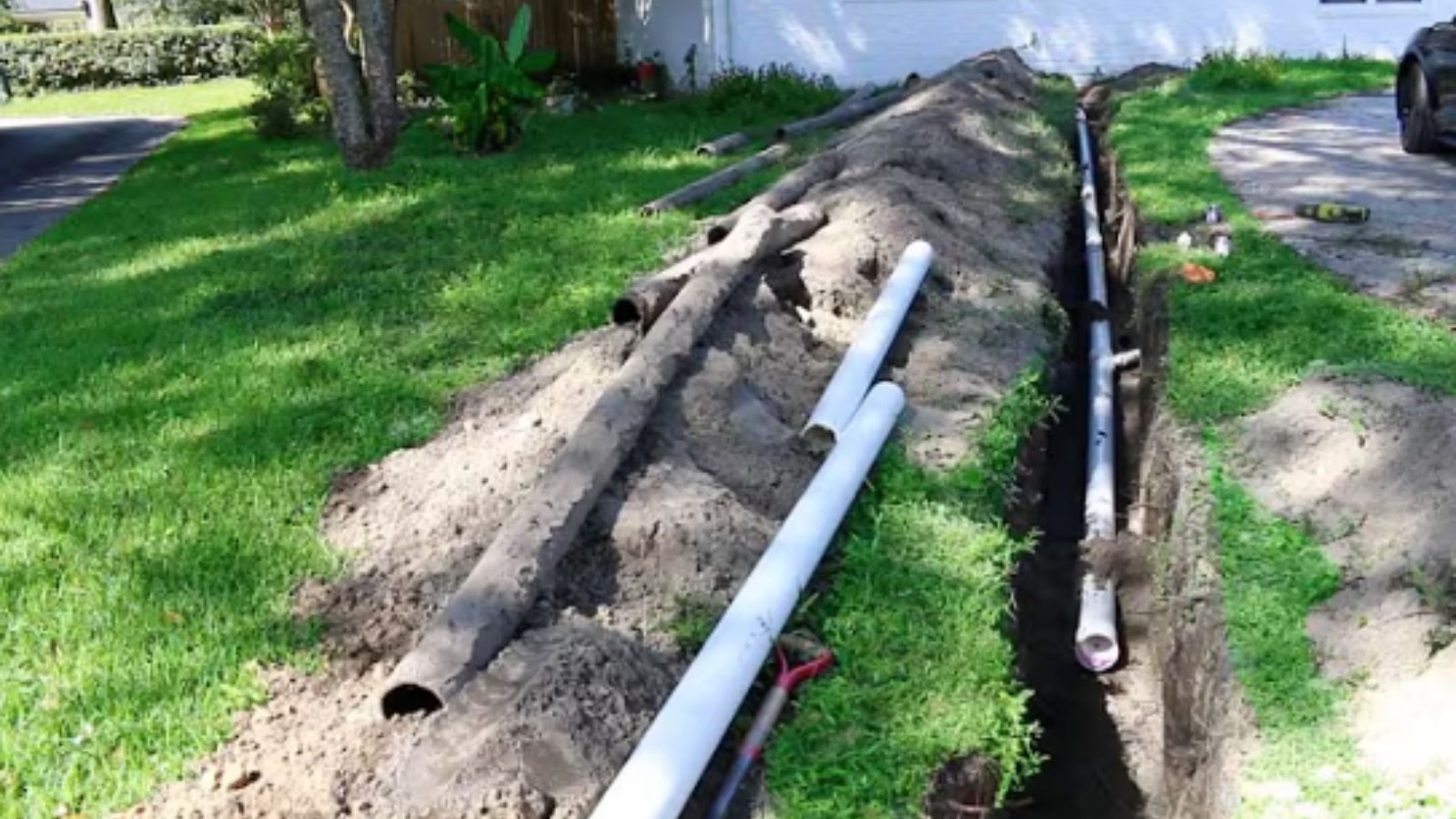
A camera inspection sometimes shows a line that's failed along most of its length rather than at one isolated spot, whether from age, extensive root intrusion, or a full collapse. Sewer line replacement in Littleton, CO is the honest recommendation when spot repair or lining would only patch part of a problem that's really systemic to the whole line.
Why Whole Lines Fail In Littleton
Clay and cast-iron sewer laterals installed decades ago in Littleton's older neighborhoods are reaching the end of their realistic service life at roughly the same time across many homes. Expansive clay soil accelerates that timeline by repeatedly stressing pipe joints over years of seasonal movement. A line that's had multiple repair visits over several years is often a candidate for full replacement rather than another spot fix.
Camera Showed A Failed Line?
We'll walk you through replacement options honestly.
Trenchless Pipe Bursting Vs. Traditional Dig
Trenchless pipe bursting pulls a new pipe through the ground while simultaneously breaking apart the old one ahead of it, replacing the full line without a trench dug along its entire length. It works well when the line's path is reasonably clear of other buried utilities and there's access at both ends to pull equipment through.
A line running through ground with significant utility crossings, or one where the path itself has shifted unpredictably, sometimes still needs traditional excavation to replace safely. We confirm which approach applies to your specific property before recommending either.
What actually changes the price: trenchless versus traditional excavation, total line length and depth, landscaping and hardscape in the path, and whether the connection at the city main also needs attention. Want your real number? Call (303) 552-3896.
What Happens To The Old Line
With trenchless pipe bursting, the old pipe stays in the ground, broken apart by the bursting head rather than dug out and removed. This is part of why the method disturbs so much less of the yard than traditional excavation, since there's no need to expose and haul away the failed line along its full length.
A full replacement is also an opportunity to correct any slope or alignment issues in the original installation, something a spot repair on the old line's existing path can never fully fix.
Common Questions
How is replacement different from a repair?
A repair fixes an isolated section of damage. Replacement addresses a line that's failed along most or all of its length, where a spot fix would only solve part of the problem.
Will you dig up my whole yard?
Not necessarily. Trenchless pipe bursting replaces the full line without a trench dug the entire length, when the path is clear enough of other utilities to allow it.
How do I know if I need replacement instead of another repair?
Multiple repair visits over a short span, a camera showing failure along most of the line's length, or a fully collapsed section are all signs replacement is the more honest long-term answer.
How long does sewer line replacement take?
Trenchless replacement is often completed in one to two days. Traditional excavation can take longer depending on line length and site conditions.
If the camera shows only an isolated section of damage rather than a fully failed line, our sewer line repair page covers spot repair and trenchless lining, which are less invasive options for that situation. And if the real problem turns out to be grease or root buildup rather than structural failure, hydro jetting may resolve it without replacement at all. Original clay sewer laterals are especially common in Ken Caryl's older sections, covered further on our Ken Caryl plumbing page.
Camera Showed A Failed Sewer Line?
Call now to talk through replacement options.
☎ Call (303) 552-3896