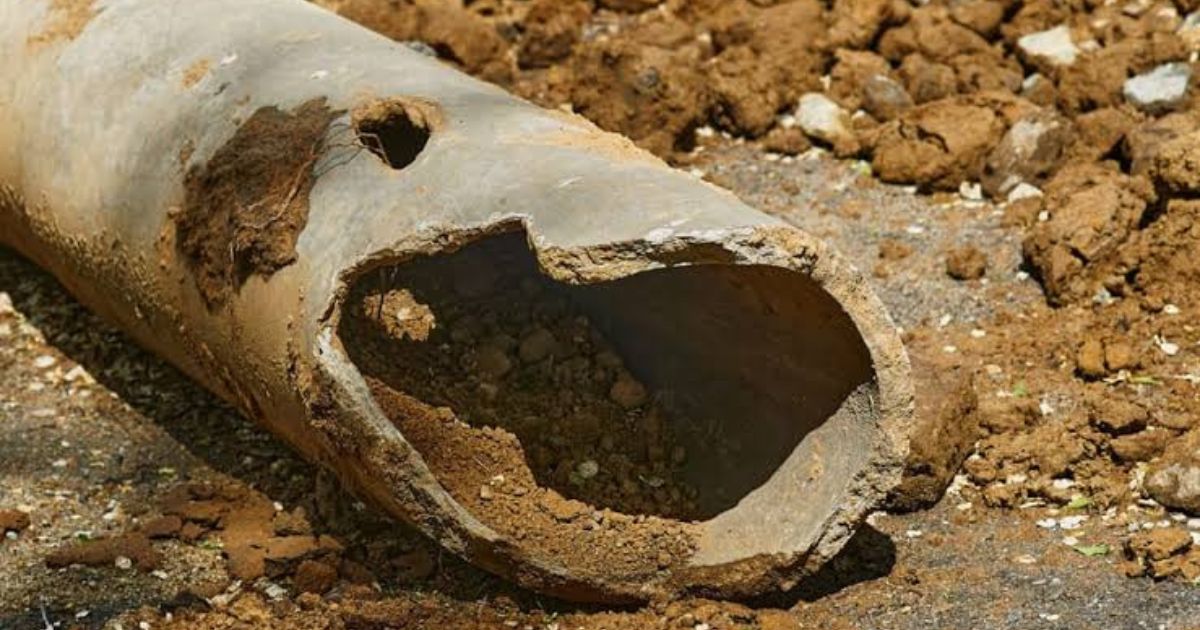
If you've had a sewer line issue and heard the words "clay soil" mentioned as a contributing factor, it's not a vague excuse or a generic explanation. It's a specific, well-documented mechanism that genuinely affects underground pipe throughout this entire region, and understanding it helps explain why sewer problems are so much more common here than in areas with different soil composition.
How This Compares To Other Regions
Homeowners who've lived in areas with sandy or loamy soil, which drains quickly and doesn't swell significantly with moisture changes, are often genuinely surprised by just how often sewer issues come up here by comparison. This isn't a sign of inferior local infrastructure or poor original installation. It's a direct, well-documented consequence of the specific geology this entire region sits on, affecting essentially every property regardless of when or how well the original plumbing was installed.
What Makes Clay Soil "Expansive"
Expansive clay soil, common throughout the Front Range, has a mineral structure that absorbs water and swells significantly according to standard geotechnical classifications, then contracts again as it dries out. This isn't a subtle effect. Depending on moisture conditions, expansive clay can change volume enough to visibly affect structures built on or through it, including foundations, driveways, and, relevant here, the buried pipe running from your house to the municipal sewer main.
How This Actually Damages A Sewer Line
A rigid pipe running through soil that's constantly swelling and shrinking experiences repeated mechanical stress at every point along its length, but especially at joints and connections, which are inherently the weakest points in any pipe run. Over years of this cycle, repeating with every wet and dry season, joints can shift slightly out of alignment, develop small gaps, or crack outright. None of this requires a dramatic event. It's a slow, cumulative process driven by ordinary seasonal moisture changes.
Sewer Issues In A Clay Soil Area?
We diagnose the real cause, not just the symptom.
Why Older Pipe Is Especially Vulnerable
Clay and cast-iron sewer laterals, common in homes built several decades ago, are more brittle and less able to flex with soil movement than modern PVC pipe, which has more give and more resilient joint designs. This is part of why older neighborhoods with original 1950s-through-1970s sewer infrastructure see a disproportionate share of clay-soil-related sewer problems compared to newer construction using modern materials better suited to handle this kind of ground movement.
Root Intrusion: A Related But Separate Issue
Tree roots seeking moisture are drawn toward the slight dampness that often surrounds a sewer line. They can exploit the same joint gaps that soil movement creates, entering through small cracks and then expanding to worsen the damage further. Root intrusion and clay soil movement often compound each other. Soil movement creates the initial vulnerability, and root growth takes advantage of it, which is why a mature, well-landscaped older neighborhood can be a genuine hot spot for this combined issue.
What This Means For Homeowners Practically
If you own a home with original sewer infrastructure from several decades ago, periodic camera inspection is a reasonable proactive step. It can catch developing joint separation or minor cracking before it progresses to a full backup or collapse. This isn't about assuming the worst. It's about recognizing that this specific, well-documented regional factor makes proactive checking genuinely worthwhile in a way it might not be in an area with more stable soil.
Repair Approaches That Account For This
Trenchless pipe lining and pipe bursting techniques both work well in expansive clay conditions. Both install new pipe material without a full trench dug along the line's length, which minimizes the disturbance to surrounding soil during the repair itself. A repair method that disturbs less soil around the existing line reduces the chance of accelerating movement in the areas immediately surrounding the fix.
What A Camera Inspection Actually Reveals
A sewer camera run through the line shows joint separation, root intrusion, and cracking directly, rather than leaving the diagnosis to guesswork based on symptoms alone. For a home in an expansive clay soil area, this kind of inspection is especially valuable, since it can distinguish between a line that's holding up fine despite the soil conditions and one that's actively developing the kind of joint damage this article describes.
Why This Matters For Home Insurance And Resale
A documented history of sewer line issues, or an old clay lateral that's never been inspected, can come up during a home sale. Some buyers specifically request a sewer scope as part of their inspection process in areas known for this issue. Addressing a developing problem proactively, rather than waiting for a full backup, generally means a more controlled repair cost and a cleaner disclosure history if you ever sell the home.
Common Questions
Does clay soil affect all sewer pipe materials equally?
No, rigid materials like older clay tile and cast iron are more vulnerable to soil movement stress than modern PVC, which has more flexibility and more resilient joint designs.
Can I tell if clay soil has already damaged my sewer line?
Slow drains, gurgling sounds, or a sewage odor in your yard are possible signs, but a camera inspection is the only way to confirm the actual condition of the line.
Does watering my lawn less reduce the risk?
Extreme swings between very wet and very dry conditions are what stress pipe the most, so consistent, moderate soil moisture may actually reduce movement compared to alternating between drought and heavy watering.
Is this a problem only in Littleton, or the whole Denver metro area?
Expansive clay soil is a regional geological feature across much of the Front Range, so this issue affects sewer infrastructure broadly across the Denver metro area, not just one specific city.
How often should an older sewer line be inspected proactively?
Every 2 to 3 years is a reasonable interval for a line over 40 years old in this soil type, though a home with any prior sewer issues may warrant more frequent checking.
If you're dealing with a sewer issue that might genuinely be related to soil movement, our sewer line repair page covers camera-verified diagnosis and repair options. If the line has failed along most of its length rather than at one isolated point, our sewer line replacement page covers full replacement including trenchless options. Columbine Valley's founding-era homes along the South Platte River Valley are a common setting for exactly this combination of older pipe and expansive soil in our service area, though the underlying soil condition affects our entire coverage area to varying degrees.