Water Damage Restoration in Littleton, CO
Repair and rebuild after a burst pipe or flooding, once extraction and drying are complete, with insurance documentation handled.
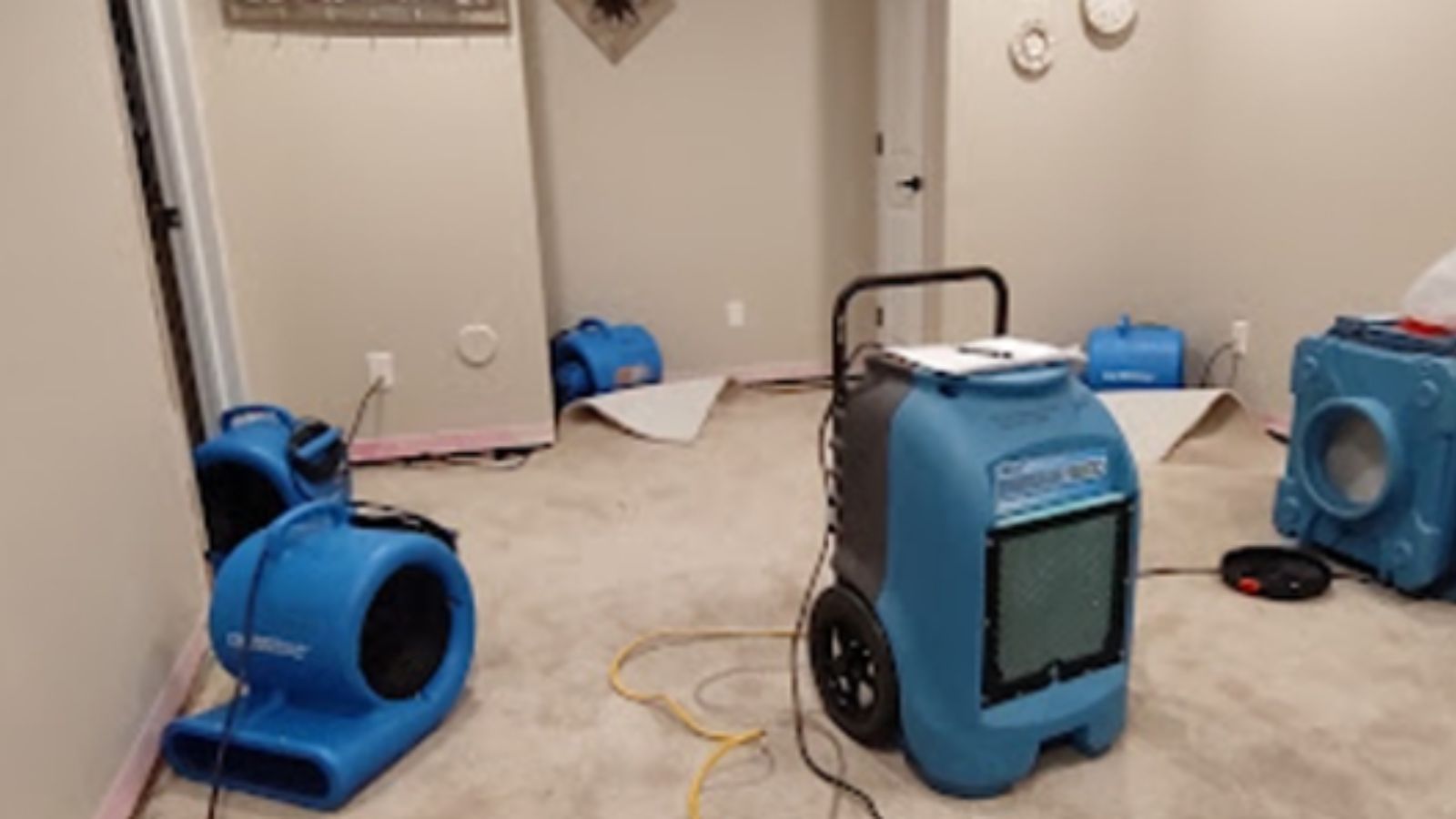
What To Check Before You Rebuild
Confirm all moisture readings are back to normal, dry levels before any drywall or flooring goes back in, since closing up a space that's still damp underneath just hides the problem instead of solving it. If a musty odor persists after drying is complete, that's worth a mold inspection before rebuild starts, not after.
After The Water's Gone, The Real Work Starts
Once emergency extraction and drying are complete, water damage restoration in Littleton, CO covers what's actually damaged underneath, drywall, flooring, cabinetry, and framing that didn't survive the water event, and rebuilding it correctly. This is a different scope than the emergency response itself, and our water mitigation page covers that earlier stage in more detail.
What Gets Assessed Before Rebuild Starts
Drywall that stayed wet more than 24 to 48 hours is typically removed rather than dried in place, since the paper facing is a real food source for mold once moisture content stays elevated that long. Flooring assessment depends heavily on material, hardwood can sometimes be saved with proper drying while carpet padding under standing water almost always needs replacement.
Ready To Rebuild After Water Damage?
We handle the repair and the insurance paperwork.
Working With Your Insurance Claim
We document the damage with photos, moisture readings, and a written scope of work that insurance adjusters expect to see, and we can work directly with your adjuster to keep the claim moving. Detailed documentation from the mitigation phase forward is what supports a smoother claim, which is part of why we treat that paperwork as part of the job, not an afterthought.
Rebuild Scope: What's Typically Involved
Drywall replacement and repainting, flooring repair or replacement, and cabinet or trim work in affected rooms make up most restoration jobs. Structural framing repair is less common but necessary when water sat long enough to compromise wood framing, which our assessment identifies before any rebuild work begins.
What actually changes the price: which materials need full replacement versus repair, square footage affected, whether structural framing needs attention, and insurance coverage specifics. Want your real number? Call (833) 521-1033.
When Repairs Go Beyond Cosmetic
Cabinetry that absorbed standing water along the bottom edge often needs the lower section replaced even when the upper cabinets are fine, since particleboard construction swells and doesn't return to its original shape once saturated. Baseboards and door trim in affected rooms typically need replacement too, both for appearance and because trim left in place can trap moisture against the wall behind it.
Choosing Materials That Handle Water Better Next Time
If a room is being rebuilt anyway, it's often worth discussing water-resistant options for the materials going back in, especially in basements or areas near plumbing fixtures where a repeat event is a real possibility. Moisture-resistant drywall and tile flooring instead of carpet are two common upgrades homeowners choose during a restoration rather than simply replacing what was there before.
We flag these options during the estimate rather than assuming everyone wants an exact like-for-like rebuild, since a repeat event in the same spot is genuinely more likely in rooms already prone to moisture.
Common Questions
Do I need mitigation and restoration, or just one?
Most water damage events need both: mitigation stops the damage first, restoration repairs what didn't survive. We can start with either depending on where you are in the process.
Will you work directly with my insurance adjuster?
Yes, we document damage and can coordinate with your adjuster directly to help keep the claim moving.
Can damaged drywall always be saved?
Drywall that stayed wet more than 24 to 48 hours is typically removed rather than dried in place, since the paper facing is a real mold food source once moisture persists that long.
How long does restoration typically take?
This varies widely by scope, from a few days for a single affected room to several weeks for structural repairs across multiple rooms.
If you haven't had the initial extraction and drying done yet, our water mitigation page covers that first, time-sensitive step. If the water damage was caused by a burst pipe that still needs repair, our burst pipe repair page covers that plumbing fix separately.