A running toilet is one of the most common household plumbing complaints, and the good news is that the cause is almost always one of three specific parts inside the tank. Understanding which one is at fault takes just a couple of minutes and can genuinely save you an unnecessary service call for a fix you might be able to handle yourself in less time than it takes to look up a video tutorial.
Why Modern Toilets Behave Differently Than Older Ones
Newer toilets, particularly low-flow models required by current plumbing codes and standard water-efficiency guidelines, use different flapper and fill valve designs than toilets from several decades ago. Replacement parts aren't always universally interchangeable across brands and models. If you're replacing a part yourself, matching the exact flapper style or fill valve type to your specific toilet model matters more than it might seem, since a close-but-not-exact match can cause the same running problem to persist even after replacement.
How A Toilet Tank Actually Works
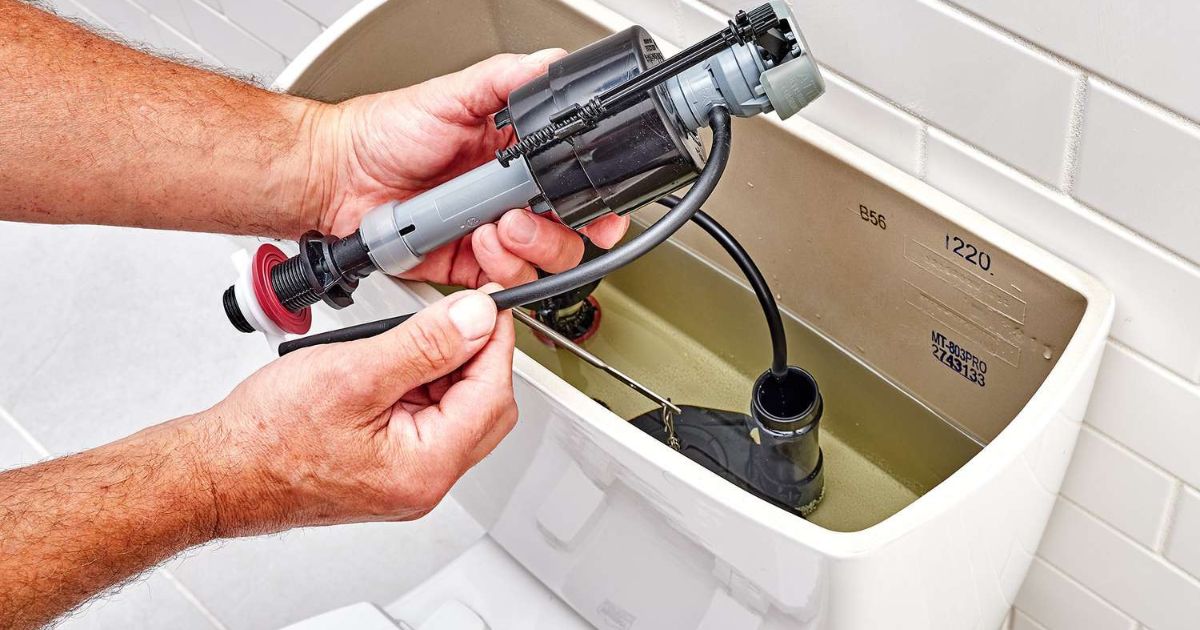
Lift the tank lid and you'll see the mechanism that's been quietly doing its job every time you flush. Water enters through the fill valve, rises to a set level, and shuts off. When you flush, the flapper lifts to release tank water into the bowl, then reseals so the tank can refill. A running toilet means one of these components isn't sealing or shutting off the way it's supposed to.
Suspect Number One: The Flapper
The flapper is a rubber or silicone seal at the bottom of the tank that lifts during a flush and drops back into place to hold water in the tank between flushes. Over time, this seal degrades, warps, or accumulates mineral buildup from hard water, preventing a fully watertight seal. A running toilet caused by a bad flapper often has a distinctive pattern: it stops running if you jiggle the flush handle, because that action helps the flapper drop back into a better seal temporarily. This is usually the single most common cause of a running toilet across all age ranges of fixtures.
Suspect Number Two: The Fill Valve
The fill valve controls how much water enters the tank after a flush and shuts off once the water reaches the correct level. If the fill valve doesn't shut off properly, water continuously trickles into the tank and out through the overflow tube, which you can identify by that faint but continuous trickling sound even when nobody's used the toilet recently. Fill valve issues are also strongly associated with mineral buildup, since hard water sediment can prevent the internal shutoff mechanism from sealing fully.
Toilet Won't Stop Running?
We'll diagnose and fix it in one visit.
Suspect Number Three: The Fill Level Itself
Sometimes both the flapper and fill valve are functioning correctly, but the water level is simply set too high, causing water to continuously drain into the overflow tube rather than shutting off at the correct point. This is usually the easiest fix of the three, involving a simple adjustment to the fill valve's float height rather than any part replacement at all.
What Tools You Actually Need
A basic flapper or fill valve replacement requires no specialized plumbing tools beyond an adjustable wrench and possibly a small screwdriver, and replacement parts are widely available at any local hardware store for a modest cost. This is genuinely one of the more accessible DIY plumbing repairs for a homeowner willing to spend 15 to 20 minutes working inside the tank.
A Simple Test To Narrow It Down
Add a few drops of food coloring to the tank water and wait 10 to 15 minutes without flushing. If colored water appears in the bowl during that time, you have a flapper seal issue letting tank water leak into the bowl. If the water level in the tank itself seems to be continuously refilling and overflowing into the tube rather than the bowl showing color, that points to a fill valve or fill level issue instead.
Why This Matters Beyond The Annoying Sound
A continuously running toilet wastes a genuinely significant amount of water over time, since even a slow, barely audible leak adds up to a real increase on your water bill if it goes unaddressed for weeks or months. This is one of the more common, quietly expensive plumbing issues homeowners live with far longer than necessary simply because the fix seems more complicated and time-consuming than it actually turns out to be.
When It's Worth Calling A Professional
If you've replaced the flapper or fill valve and the toilet is still running, or if you're not comfortable working inside the tank, that's a reasonable point to call for help. Persistent running despite a new flapper sometimes points to a cracked overflow tube or a flush valve seat issue that requires more than a simple parts swap to resolve.
Common Questions
Can I replace a flapper myself?
Yes, it's one of the more DIY-friendly plumbing repairs, typically involving just detaching the old flapper from its mounting pegs or chain and attaching a matching replacement.
Why does my toilet only run occasionally, not constantly?
Intermittent running is often a flapper that's sealing most of the time but occasionally shifting out of position, or a fill valve with a marginal, inconsistent seal rather than a complete failure.
Is hard water really connected to toilet parts failing?
Yes, mineral buildup from hard water is a common contributing factor to both flapper and fill valve degradation, since scale can prevent rubber and plastic components from sealing as designed.
How much water does a running toilet actually waste?
This varies by severity, but even a moderate continuous leak can waste a meaningful amount of water daily, adding up to a real, noticeable increase on a water bill over the course of a billing cycle.
Can a running toilet indicate a bigger plumbing problem?
Usually not on its own, but persistent running combined with other symptoms, like slow drains elsewhere in the home, is worth mentioning to a plumber in case the issues are related.
If your own troubleshooting hasn't solved it, our toilet repair and installation page covers diagnosis and repair in more detail. If hard water is a recurring theme across your home's fixtures, our water softener installation and repair page covers that broader fix. Bow Mar's older homes, some with original or early-generation toilet hardware, are a common source of exactly this kind of repair in our service area, along with similarly aged fixtures found throughout much of our coverage territory.