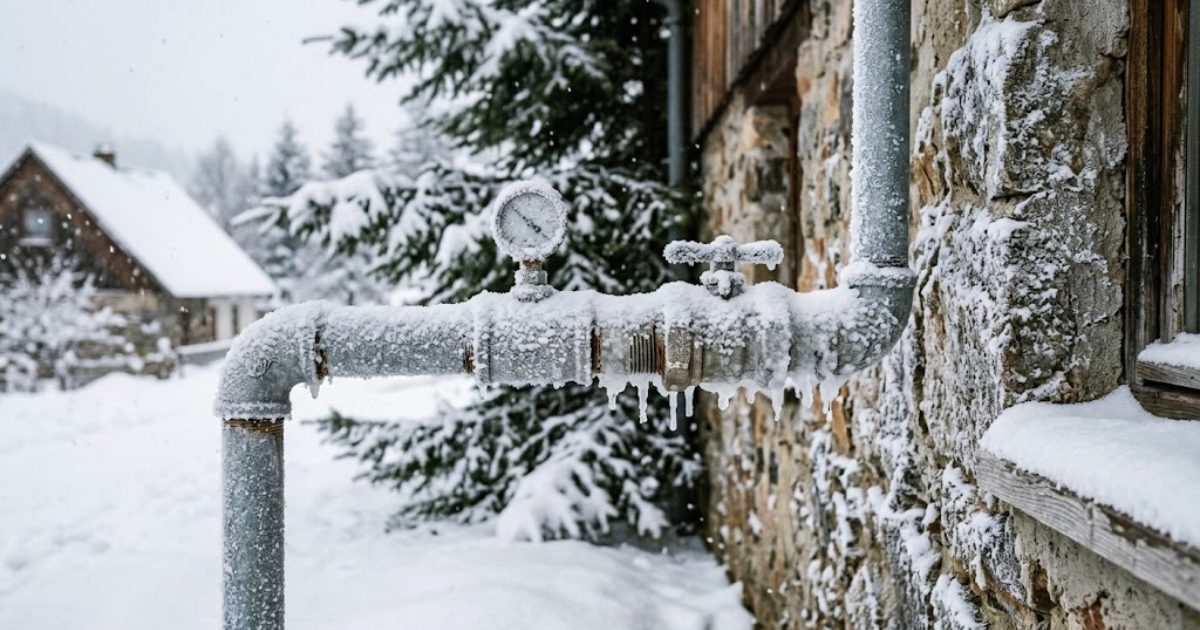
A frozen pipe doesn't announce itself politely. Usually it's a Tuesday morning, the temperature dropped hard overnight, and suddenly one faucet has no water while everything else in the house seems fine. Front Range cold snaps do this every winter, and the good news is that most frozen pipe emergencies are genuinely preventable with a few hours of work before the cold actually arrives.
Why Littleton Pipes Freeze In The First Place
Water expands by about 9 percent when it freezes, and that expansion is what actually splits a pipe, not the ice itself blocking flow. Pipes running through unconditioned spaces, crawlspaces, garages, attics, and along exterior walls, are the ones at real risk, since they're exposed to outdoor temperature swings that interior plumbing never sees. Littleton's older homes are especially vulnerable here, since insulation standards from the 1950s through the 1970s were nowhere near what's standard in new construction today.
Heat Tape For Genuinely High-Risk Sections
For pipe sections with a history of freezing, self-regulating heat tape is worth considering. Wrapped directly around the pipe and plugged in during cold snaps, it provides active heat rather than just insulation. It's a step up from foam insulation in cost and effort, but for a section that's frozen before, it's often worth the investment rather than repeating the same emergency call every winter.
Garage Doors: A Simple Habit That Actually Matters
If any plumbing runs through your garage, keeping the garage door closed during cold weather matters more than most homeowners realize. Whether it's a laundry hookup, a utility sink, or just supply lines passing through, an open garage door on a freezing night is a real risk. It can drop the garage's interior temperature close to outdoor levels within an hour, putting any exposed plumbing at risk even if it's normally protected.
Insulate The Pipes That Actually Need It
Foam pipe insulation sleeves are inexpensive and slide directly over exposed pipe in a crawlspace, attic, or garage. Focus on any run within a few feet of an exterior wall or an unheated space, since interior pipes running through conditioned living space almost never freeze regardless of outdoor temperature. If you've never actually looked at your crawlspace or attic plumbing, that's worth doing once before winter rather than finding out during a cold snap which pipes were left exposed.
Keep Cabinet Doors Open On Cold Nights
Kitchen and bathroom sinks on exterior walls are common freeze points because the cabinet creates a small, poorly heated pocket around the pipe even though the room itself is warm. On nights when the forecast calls for a hard freeze, opening those cabinet doors lets warmer household air reach the pipe directly, which is a free and genuinely effective step most homeowners skip simply because they don't know it matters.
Already Have A Frozen Pipe?
Safe thawing and repair, 24/7.
Let A Faucet Drip During Extreme Cold
A slow, steady drip from the faucet farthest from your main water line keeps water moving through the system, and moving water is significantly more resistant to freezing than water sitting still in a pipe. This isn't necessary on a normal winter day, but during an extended hard freeze, especially overnight, it's a small water cost against a potentially large repair bill.
Know Where Your Main Shutoff Valve Is
If a pipe does freeze and split, being able to shut off water immediately is the difference between a contained mess and a genuine flood. Most homes have a main shutoff near the water meter, in a basement, crawlspace, or utility closet. Find yours now, while nothing is wrong, rather than searching for it during an active emergency with water actively spraying somewhere in the house.
Seal Gaps Where Cold Air Gets In
Small gaps around where pipes pass through exterior walls, foundation vents, or dryer vent openings let cold outdoor air reach plumbing that would otherwise be reasonably protected. Basic caulk or expanding foam around these penetration points is a one-time fix that pays off every winter afterward, and it's especially worth checking in older homes where original construction wasn't always sealed tightly.
What To Do The Moment You Suspect A Frozen Pipe
If a faucet has no water or just a weak trickle during cold weather, check for frost on any visible exposed pipe in a crawlspace, garage, or basement near that fixture. If you find it, a hairdryer on the visible section, moving back and forth rather than concentrating heat in one spot, is a safe way to thaw a pipe you can actually see and reach. Never use an open flame or a propane torch, which can scorch the pipe material or ignite nearby framing, especially in sections you can't fully inspect first.
If you can't find or reach the frozen section, or if you notice any sign of water already escaping, like a damp spot on a wall or ceiling, stop trying to thaw it yourself and call a professional. A pipe that's already split needs a repair, not more heat applied to a section that's already failed.
A Quick Pre-Winter Checklist
Do This Before The First Freeze
- Insulate exposed pipe in crawlspaces, attics, and garages.
- Locate and test your main water shutoff valve.
- Seal gaps where pipes pass through exterior walls.
- Disconnect and drain outdoor hoses.
Do This During A Hard Freeze
- Open cabinet doors under exterior-wall sinks.
- Let the farthest faucet drip slowly overnight.
- Keep garage doors closed if pipes run through the garage.
- Check for frost on exposed pipe if flow seems weak.
Common Questions
How cold does it need to get for pipes to freeze?
Sustained temperatures below freezing for several hours, especially overnight, put exposed pipes at real risk. A single brief dip usually isn't enough on its own, but a multi-day cold snap is when most frozen pipe calls happen.
Is it normal for outdoor spigots to freeze?
Outdoor hose bibs are one of the most common freeze points since they're directly exposed to outdoor air. Disconnecting hoses and using an insulated spigot cover before winter helps significantly.
Can I prevent freezing by turning up my thermostat?
A warmer house helps interior pipes, but it does very little for pipes in unconditioned spaces like crawlspaces or garages, which need their own insulation regardless of indoor temperature.
What if I'm going out of town during a cold snap?
Never turn off your heat completely while away in winter. Set the thermostat no lower than 55 degrees, and consider having someone check the house or shutting off the main water valve if you'll be gone an extended period.
If you're already dealing with a frozen or split pipe, our frozen pipe repair page covers safe thawing and repair in more detail, and our burst pipe repair page covers what to do if a pipe has already failed. Homes in Chatfield Bluffs with crawlspace access near open space see real wind chill exposure on exposed piping, which is worth extra attention before winter arrives.
Cold Snap Hit Before You Could Prep?
Call now for same-day thawing and repair.
☎ Call (303) 552-3896